The Soft, Unique Touch of the Embroidery Machine Typeface
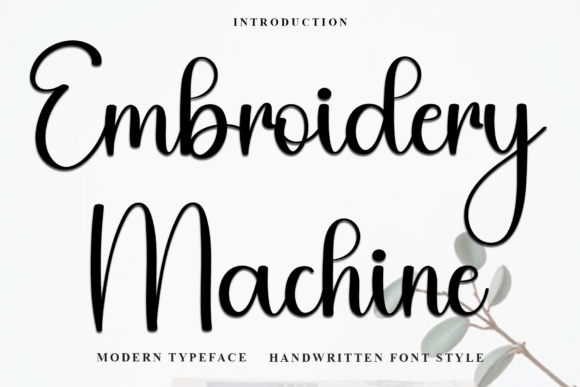
When you first encounter the Embroidery Machine font, you're not just seeing letters—you're feeling a texture. This isn't your typical, rigid typeface. It carries a soft, almost tactile quality, as if each character was gently stitched onto the screen. The strokes have a distinct, organic flow, giving the font a personality that's both approachable and intriguing. It’s the kind of design asset that doesn’t shout; it whispers, inviting you to look closer. For anyone working in creative fields, from logo design to social media graphics, understanding a font’s personality is the first step to using it effectively. Embroidery Machine offers a unique blend of charm and versatility that can elevate a project from ordinary to memorable.
Visual Character and Where It Truly Shines
Think of Embroidery Machine as a creative font with the heart of a handwritten font but the structure of a modern display font. Its letterforms are soft, with gentle curves and a slightly uneven baseline that mimics the natural imperfections of hand-drawn work. This gives it a warm, human touch that a geometric sans serif font simply can't replicate. It’s not a formal script font, but it borrows that fluid, personal feel. The overall appeal lies in its ability to be both eye-catching and easy to read, striking a balance that many decorative fonts miss.
So, where does this font work best? Its sweet spot is in projects that need a touch of personality without sacrificing clarity.
- Branding and Logo Design: For a boutique, a craft brewery, or a lifestyle blog, Embroidery Machine can form the core of a brand identity. It suggests craftsmanship, care, and authenticity. Pair it with a clean serif font for body text in a brand guidelines document to create a compelling contrast.
- Packaging Design: Imagine this font on a label for artisanal jam, a handmade soap box, or a coffee bag. Its textured feel complements products with a story, enhancing the perception of quality and attention to detail.
- Editorial and Publishing: As a headline font for a magazine feature about home décor, DIY crafts, or travel, it instantly sets a relaxed, creative tone. It’s less suited for dense body copy but perfect for pull quotes or chapter titles.
- Digital and Social Media: This is where Embroidery Machine truly comes alive. Use it for Instagram story headers, Pinterest pin titles, or YouTube thumbnail text. Its distinctive character helps content stand out in a crowded feed, improving engagement and recognition.
Practical Guidance for the Working Designer
Choosing a font like Embroidery Machine is more than an aesthetic decision; it's a strategic one. Here’s how to evaluate and implement it in your workflow.
First, consider font pairing. A font with this much personality needs a partner that grounds it. A sturdy serif font like Georgia or a neutral sans serif font like Open Sans can provide excellent contrast for longer text. Avoid pairing it with other highly decorative fonts, as this can create visual chaos and harm readability.
Next, test its readability at various sizes. Embroidery Machine is a premium font designed for impact, so it excels at larger sizes for headings, logos, and titles. At smaller sizes, some of its delicate details might be lost, making it less ideal for body text or fine print. Always run a quick test by viewing your design on both a desktop monitor and a mobile screen.
Check the font package for included styles. Does it come with different weights (light, regular, bold) or alternate characters? These extras can significantly expand its utility, allowing for more nuanced visual hierarchy within a single project. For a commercial font, verify the licensing terms. Ensure it covers your intended use, whether for a client's logo, product packaging, or a digital download.
Finally, observe how it influences brand perception. The soft, crafted quality of Embroidery Machine can make a brand feel more accessible, creative, and detail-oriented. It’s a tool for building a specific emotional connection with your audience. Use it intentionally to support the story you want your design to tell, and it will become a valuable part of your creative toolkit, enhancing everything from web design layouts to physical marketing materials.