Why Soft Handwritten is the Friendly Font Your Brand Needs
In a world saturated with sleek, corporate typefaces and stark minimalist designs, there's a growing hunger for authenticity and warmth. We're drawn to things that feel human, personal, and crafted with care. This is precisely the space where the Soft Handwritten font lives. It’s not just another script font; it's a carefully designed tool that injects personality, approachability, and a touch of playfulness into any project it graces. For designers, entrepreneurs, and creators, understanding how to leverage a typeface like this can be the key to forming a genuine connection with your audience.
The Anatomy of a Friendly Typeface
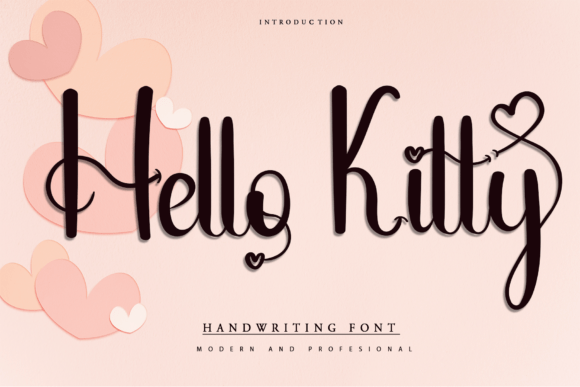
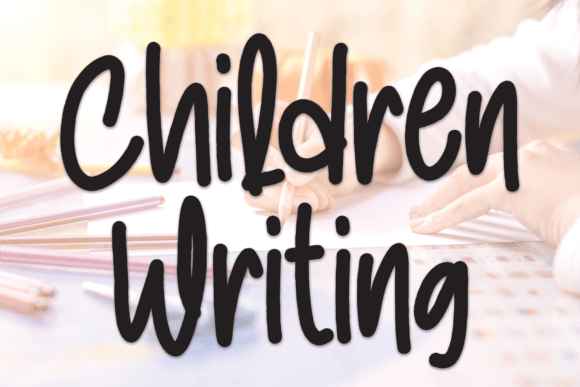
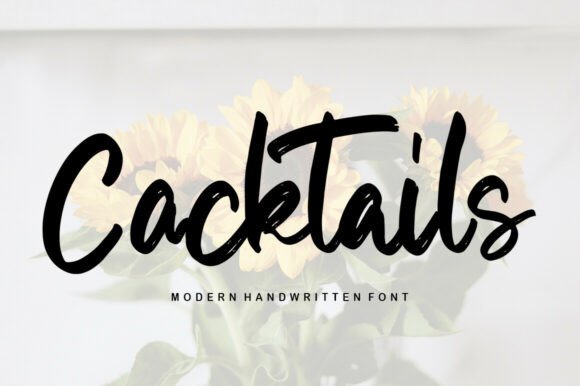
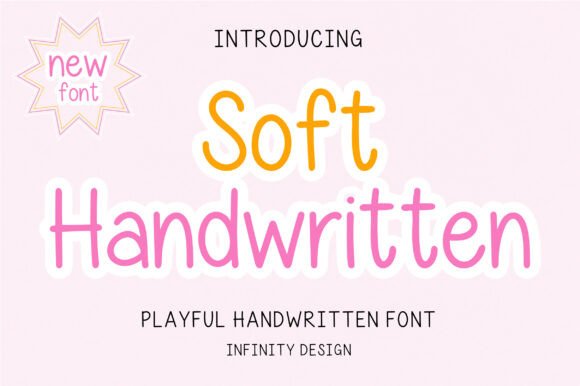
At first glance, Soft Handwritten presents a character that is both cute and confident. The letters have a smooth, rounded quality, avoiding the scratchy, erratic edges that can make some handwritten fonts feel chaotic or difficult to read. Each character flows into the next with a gentle, consistent rhythm, creating a harmonious and inviting visual texture. This isn't the font for a legal document or a technical manual; its personality is unmistakably cheerful, creative, and open. The slight irregularities in the letterforms are what give it that authentic, hand-drawn feel, but they are controlled enough to maintain excellent legibility, even at smaller sizes. This balance is what elevates it from a simple novelty to a versatile premium font.
Its style sits comfortably in the modern typography landscape. It acts as a bridge between the casualness of a true script font and the clarity of a standard sans serif font. This makes it an incredibly useful display font for headlines and logos where you want to make an immediate, friendly impression. The overall appeal is one of warmth and trustworthiness, making it a fantastic asset for anyone looking to build a brand identity that feels human and relatable.
Where Soft Handwritten Truly Shines
The true value of a creative font like this is measured in its application. Its versatility is its greatest strength, allowing it to adapt to a wide range of projects while maintaining its core personality.
For branding and logo design, Soft Handwritten is a powerful choice for businesses that want to project a friendly, approachable image. Think of a local bakery, a children's clothing boutique, a wellness coach, or a handmade soap company. The font immediately communicates care, creativity, and a personal touch. It helps a small business stand out from competitors using more generic, corporate typography. When used for a logo, it becomes the cornerstone of the brand's visual story, setting a tone that is consistent across all other design assets.
In the realm of marketing and social media graphics, this font is a game-changer. On platforms like Instagram, Pinterest, and Facebook, visual personality is currency. Using Soft Handwritten for quote graphics, promotional announcements, or Instagram Story highlights can dramatically increase engagement. It feels native to the platform—less like an advertisement and more like a note from a friend. For editorial design in blogs and digital magazines, it works beautifully for pull quotes, section headers, or author bylines, adding a layer of personality to the reader's experience without sacrificing readability for body text (where a clean serif font or sans serif would be used).
Beyond the digital sphere, its applications in print and packaging design are equally compelling. Imagine it on a product label for artisanal goods, the sleeve of a coffee bag, or the thank-you card tucked into an e-commerce order. It transforms a simple piece of packaging design into a memorable part of the customer experience. For personal projects, it’s perfect for creating custom wedding invitations, birthday cards, printable wall art, or custom stickers. Its playful nature also makes it ideal for kids’ designs, from classroom materials to party decorations.
Practical Guidance for Using This Font Effectively
Choosing a font is only the first step. Using it effectively is where the real craft lies. Here’s how to integrate Soft Handwritten into your workflow for maximum impact.
Evaluate the Project Fit. Before you even download the font, ask yourself: Does this project's tone align with a friendly, playful, and personal aesthetic? It’s perfect for a yoga studio's new class schedule but likely a poor fit for a corporate law firm's annual report. The font's strength is its personality, so ensure that personality is what the project needs.
Master the Art of Font Pairing. A handwritten font rarely works well on its own for long blocks of text. The key to professional-looking design is pairing it with a more neutral typeface. For body copy, choose a highly legible serif font for a classic, editorial feel, or a clean sans serif font for a modern, minimalist look. Let Soft Handwritten handle the headlines, subheadings, and call-outs where its character can be a focal point without overwhelming the reader. This creates a clear visual hierarchy and ensures your message is both engaging and easy to digest.
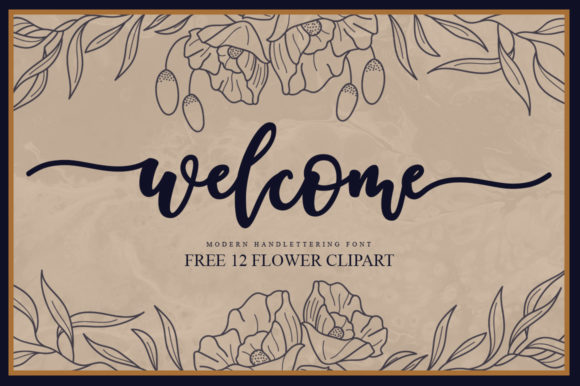
Check the Included Styles. A high-quality commercial font often comes with more than just the standard letters. Look for OpenType features like alternate characters, ligatures (special connected letter pairs), and stylistic sets. These extras allow you to customize the look and feel of the text, adding subtle variations that make your design feel even more authentic and less like a standard font application. Testing these features is a crucial part of the evaluation process.
Always Prioritize Readability. While its smooth design aids legibility, context is everything. Avoid setting long paragraphs in Soft Handwritten. Be mindful of font size, especially for digital web design where it must be clear on various screen sizes. Test it at the intended size and on the intended medium—view a mockup on your phone, print a test page—before finalizing. Good design communicates clearly, and no amount of charm can compensate for text that can't be read.
Finally, understand the licensing. If you're using it for a client project, a product for sale (like t-shirts or mugs), or any commercial application, you must ensure you have the correct commercial license. Most premium fonts come with clear licensing terms. Respecting these terms is a mark of professionalism and protects both you and your client.
Ultimately, Soft Handwritten is more than just a collection of letters. It's a tool for storytelling. It allows you to craft a visual voice that is warm, trustworthy, and distinctly human. By understanding its characteristics and applying it with intention, you can create designs that don't just look good, but that truly resonate with people on a personal level. In the end, that connection is what great design is all about.